
Thoughtfully prioritizing competing needs & carefully considering a range of perspectives
Rooting it all in how large venues and campuses really operate and how transportation and experience-delivery really work
The best strategies and designs for large venues, districts, and campuses start with a clearly defined problem or opportunity and find solutions in the sweet spot between business goals and guest wishes
Focus too narrowly on business goals, risk losing the market
Focus too narrowly on guest wishes, risk collisions with constraints
1) Define the problem or opportunity
Identify key stakeholders
Those who are most in touch with the problem or market opportunity, and those who will be most centrally responsible for executing solutions
Observe the problem in action
Get a fine-grained sense of what’s going wrong or where precisely there’s opportunity for something better
Assemble datapoints that clearly tell the story
Use the data to galvanize key stakeholders for the deep thought required to vet solutions and the labor that will ultimately be needed to execute solutions
Write it down in a clear project brief
Ensure clarity across internal stakeholders and the consultant team
Case Study
Oracle Park Premium Capital Planning
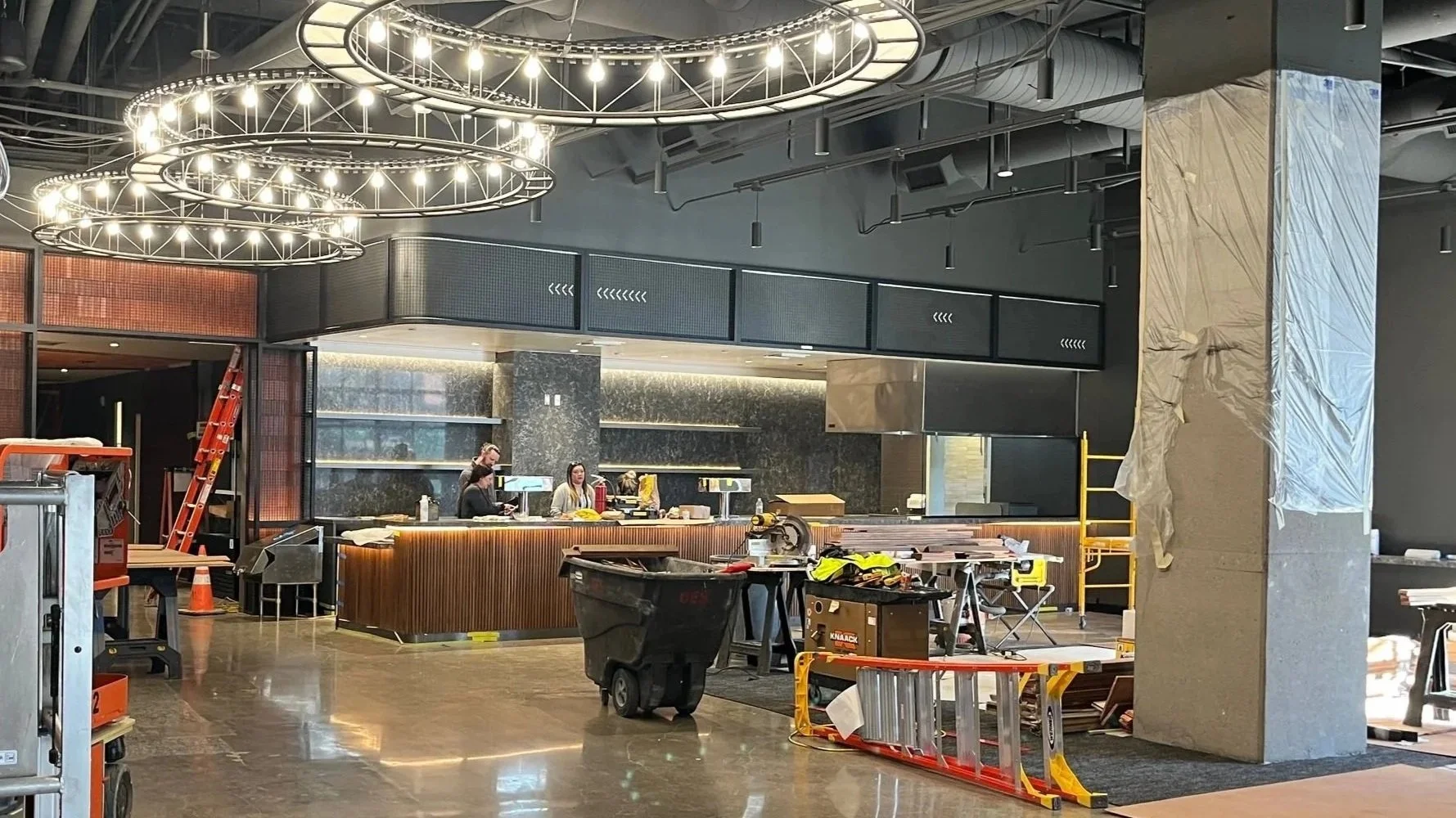
Brought together key stakeholders to more clearly define and prioritize goals. Helped to align on a thoughtful and achievable plan.
2) Identify business goals and guest wishes
Business Goals
Long-term brand aspirations
customer affinity and loyalty, local market positioning, sustainability
Short-term revenue targets
annual budget targets, revenue growth needs
Market opportunities
new customer categories, cultural trends, real estate potential
Physical or financial constraints
space requirements, investment limits, city requirements
Operational imperatives
infrastructure needs, staffing ratios, legacy services, VIP requirements (e.g. owners, talent, employees)
How we identify goals & priorities
Strategic plans & policy documents
review, synthesize, infer
Owner & executive points of view
interviews, structured prioritization, sussing out priors
Department points of view
conversations, analysis of existing practices, org structure & silos
Front-line points of view
needs and wants, alignment with leadership, market dynamics
Budgets & financial goals
budget as practical policy, revenue imperatives, growth aspirations
Long-term asset value aspirations
ownership structure, return expectations and timeline, long-term value opportunities
Guest Wishes
Guest-eye-view
guest journey, what guests experience at each journey stage, guest + ops interactions
Market expectations
experiences in other venues and spaces, local cultural markers, local spending patterns
Customer identities
who guests are, guest segments, motivators and barriers, lifestyle markers
Guest imperatives & constraints
budget sensitivities, geographic realities, life-driven limitations
Cultural trends
emerging ideas, national innovations, long-term trends
How we know what guests want
Customer identity data
income levels, home and work locations, macro spending patterns, disposable income
Surveys + focus groups
articulated wants and needs, reported behavior, structured feedback on ideas
Actual behavior outcomes
in-venue/in-district spending patterns, activity trends, customer service feedback tendencies
Observations of guests in action
point and moment-in-time observations, anecdotal feedback
Front-line staff experience
day-to-day experiences, anecdotal patterns
3) Turn it into strategy + design
Narrow in on the highest priority business goals and guest wishes
No strategy or design can achieve everything - identify the core objectives to ensure focused solutions
Develop a long list of potential solutions
Narrow in on a concrete set of potential investments, process changes, or service-delivery adjustments and begin framing out how the organization would execute them
Evaluate and narrow the list
Cross-check against business goals and guest wishes, and pressure test against known constraints and budget limits
Develop detailed plans for a short list of most promising solutions
Identify key departments and drivers, and evaluate feasibility and resource-needs with a greater level of specificity
Get guest input and/or run a limited pilot
Define clear performance indicators to see how the idea works in the real world
Iterate, expand, and institutionalize for the long-term
Case Study
Reusable Cup Strategy & Implementation
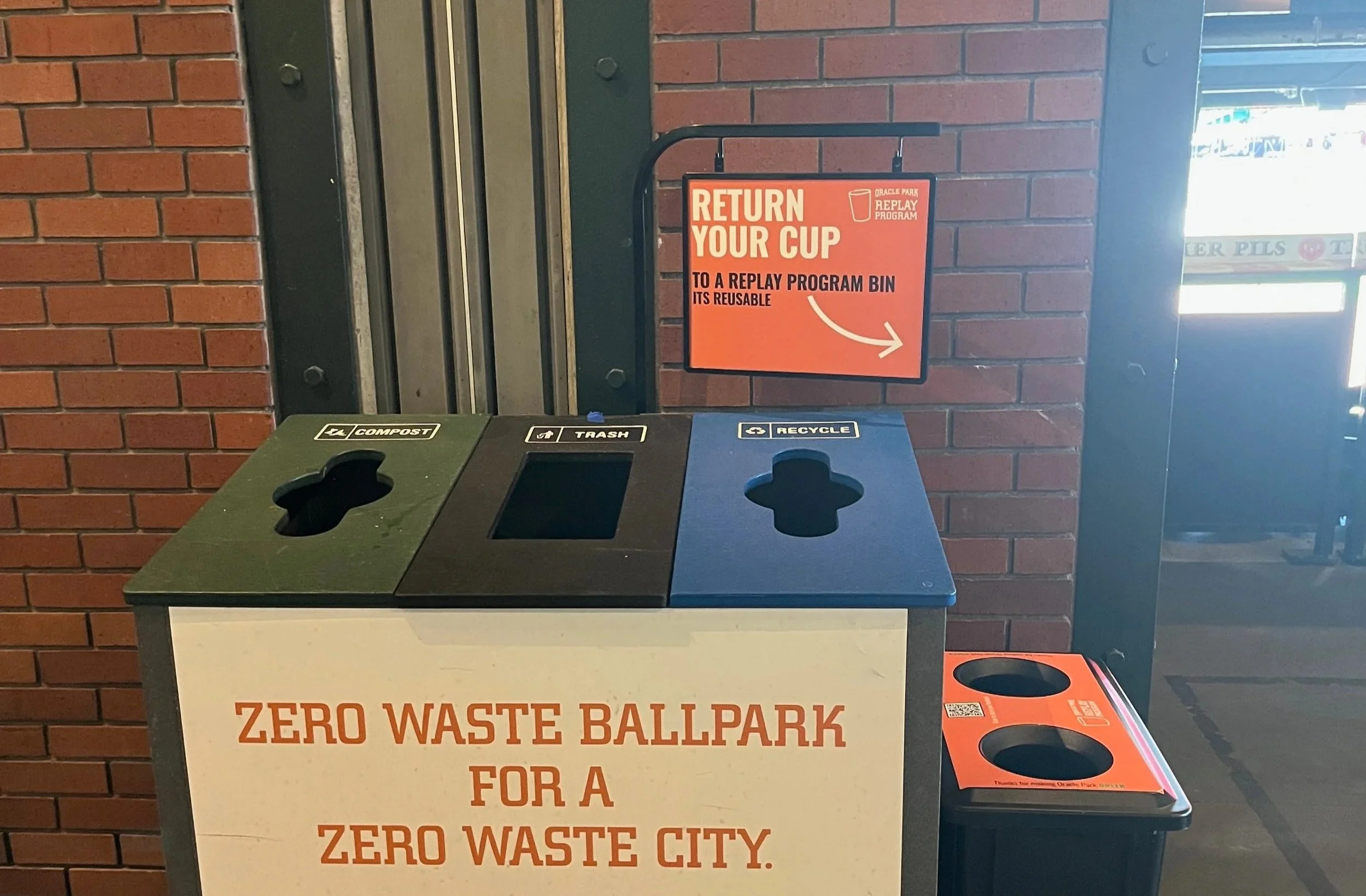
Piloted an approach, paid close attention to operational and guest experience metrics, and expanded program to full venue after successful initial year.