
Access & Urban Integration Strategy
Cities are complicated
Smart venues find ways to create symbiotic relationships with them
Cities can feel like an impediment to smoothly getting thousands of people in and out for events. It can also feel impossible to contemplate additional real estate development next to a use as demanding as a major event venue.
Cities can be an urban venue’s biggest asset, with deep infrastructure and amenities that can give guests options and ways to extend their memory-making before and after a great experience in your venue. A glass-half-full approach to dense urban surroundings can also unlock the additional value adjacent developments can bring.
Here’s how I can help
Venue Access & Experience Planning
-
Develop a clear view of the surrounding transit, roadway, pedestrian, and bike infrastructure and opportunities to take better advantage of available capacity or make strategic investments to grow the capacity.
Understand the opportunity to use parking already available in the neighborhood to support the access program and unlock on-site opportunities.
Recommendations on incentives for different user groups, e.g. approach to parking pricing and subsidies for the use of non-auto modes.
A close look at how you communicate with guests about getting to the venue, and the technologies you use to support that communication and direct access.
-
Help to sharpen your understanding of the guest experience in parking facilities today and identify practical opportunities to move the needle based on what you can control.
Restructure parking management arrangements to ensure that they are appropriately supported and include incentives to center the guest experience.
Set up processes to ensure high quality ongoing management of third-party operators.
-
Take a birds-eye view of people or vehicle flows and guest expectations to make incremental improvements in guests’ experience arriving at the venue and navigating to it.
Develop plans for aligning staff around a larger service framework and vision of excellence in transportation operations.
Case Study - Oracle Park
Improved venue access & experience scores in a rapidly changing context
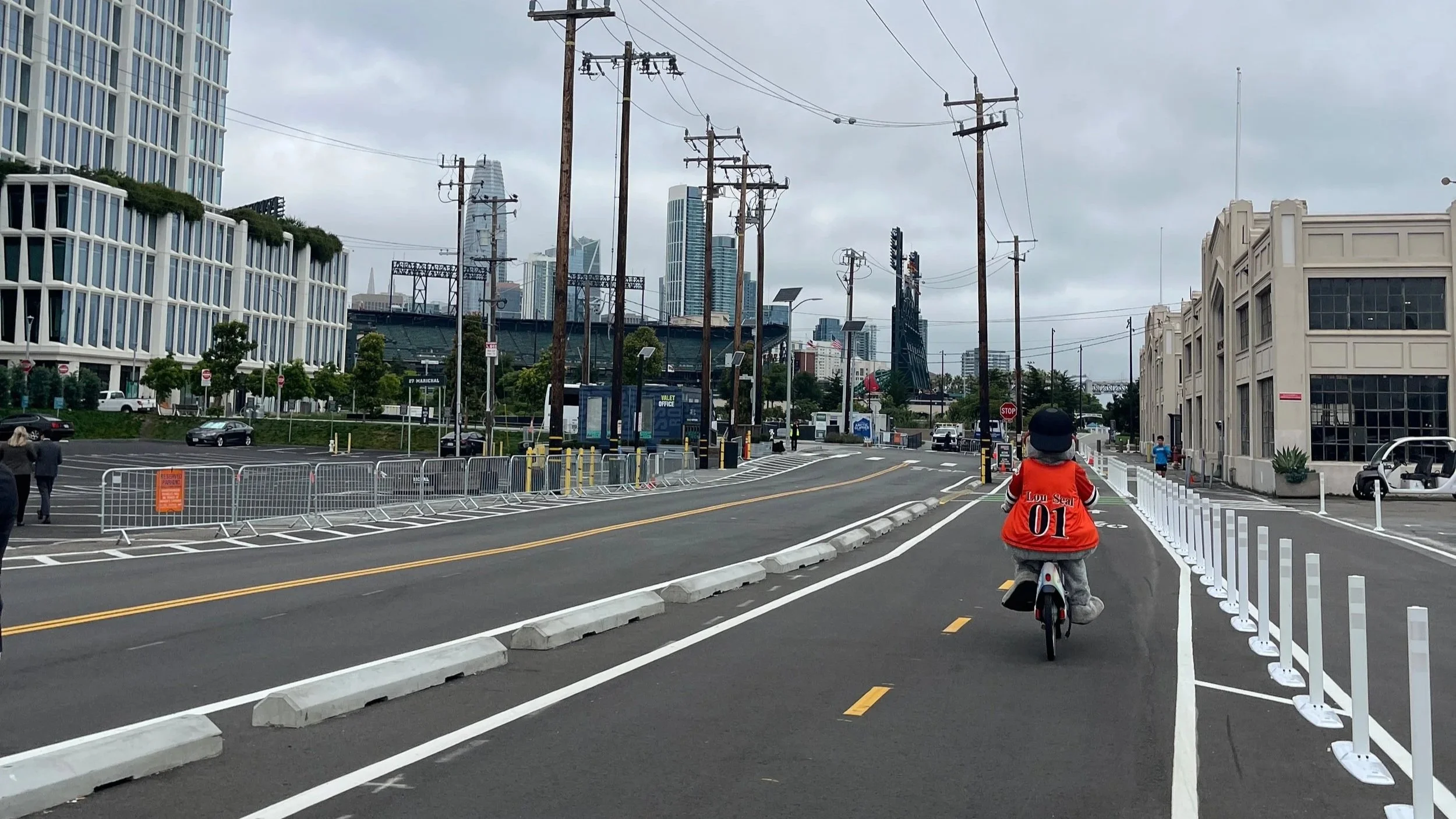
A world-famous ballpark in a dense and growing neighborhood. Developed and implemented a strategy that increased transit, walk, and bike mode shares and increased guest experience ratings in the process.
Transportation strategy in service of audacious real estate goals
-
Identify opportunities to offload or change the footprint of on-site parking demand to open up space for new activations or land uses.
Develop strategies for gracefully shifting some constituents from driving a personal vehicle to a more flexible and multimodal way of getting to the venue and new development site.
Collect precedents for changing access plans to support increased development and density to support stakeholder engagement and flesh out plans for managing change.
Support city and neighborhood engagement to paint the picture of how new development can complement the venue and the surrounding neighborhood.
-
Identify access imperatives for smoothly operating a major event and establish priorities based on those fundamental needs.
Gain a clear and comprehensive understanding of the needs and wants of new tenants and set a strategy for fully meeting their needs around the periodic needs of the venue.
Develop strategies for incentivizing and/or explicitly encouraging behavior from venue guests and new neighborhood tenants to enable sites to work well together.
-
Develop communications plans deeply rooted in venue and development-site access imperatives.
Help constituents who are less familiar but anxious about living or working next to a major event venue understand the more accessible reality of being next to the action.
Case Study - Mission Rock
Strategy to unlock $1b mixed-use project on venue’s main parking lot
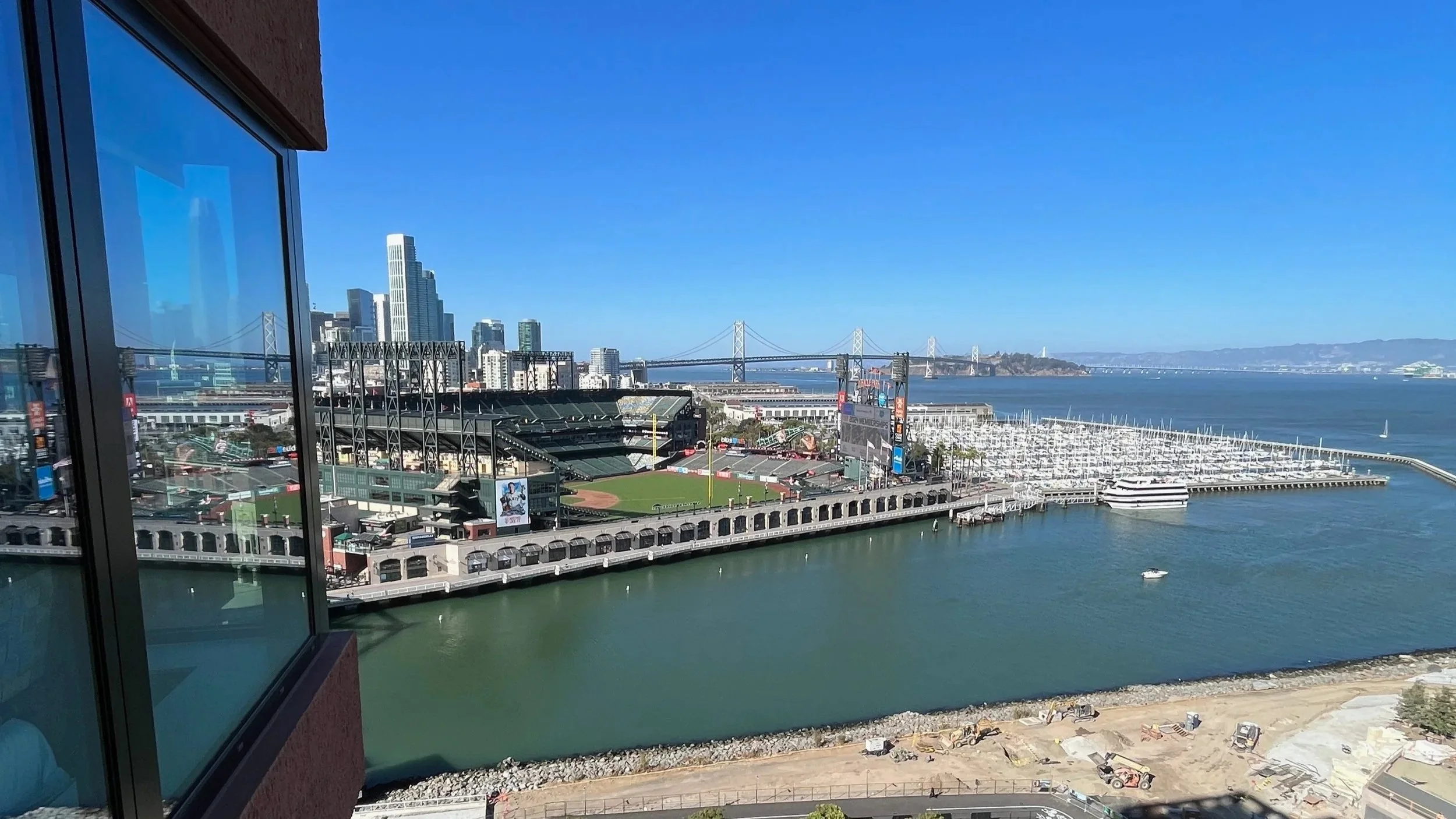
A new neighborhood next to Oracle Park, featuring hundreds of apartments and hundreds of thousands of square feet of office space, in addition to ground-floor restaurants and shops. Developed and implemented the strategy for balancing the needs of this major new development with Oracle Park, and for adjusting the Oracle Park access program to account for a major change in venue-adjacent parking capacity.